
Sustainable Structures for a Better Future
Designing resilient, durable, and responsible infrastructure for long-term value
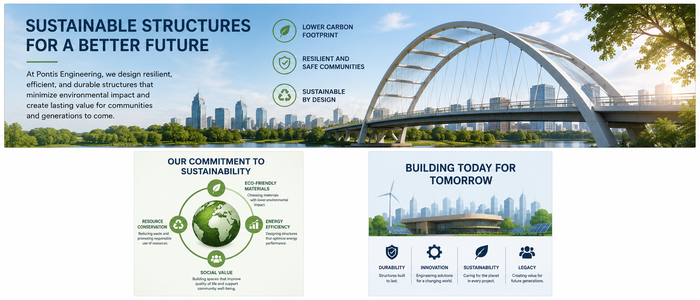
Figure 1. Engineering today for resilient and sustainable communities.
Why this matters
Civil infrastructure is expected to do more than carry loads. Bridges, buildings, retaining systems, and public facilities must remain safe, economical, and serviceable while also reducing environmental impact. This is changing the way engineers think about design: sustainability is no longer an added feature; it is part of responsible structural performance.
A sustainable structure is not simply a structure built with greener materials. It is a structure that uses resources carefully, performs reliably, can be maintained efficiently, and continues to serve communities for decades.
The engineering idea
The goal is to design systems that balance four requirements: safety, durability, constructability, and environmental responsibility. Good engineering decisions at early design stages often have the largest impact on cost, carbon footprint, and service life.
 |
Main areas of application
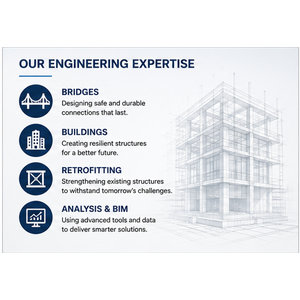
• Bridge design and rehabilitation • Buildings and public infrastructure • Seismic and structural retrofitting • BIM-based analysis and design coordination • Material-efficient structural systems |
Figure 2. Sustainable design is supported by technical expertise, analysis, and practical engineering judgment.
Key principles for sustainable structural design
| Principle | What it means | Engineering value |
| Use less, perform better | Optimize geometry, member sizes, and material quantities. | Lower embodied carbon and lower construction cost. |
| Design for durability | Select details and materials that resist deterioration. | Longer service life and fewer interventions. |
| Plan for maintenance | Make inspection, repair, and monitoring easier. | Reduced life-cycle risk and better asset management. |
| Retrofit before replacing | Strengthen existing assets when technically feasible. | Less waste, lower disruption, and better value. |
From good design to long-term value
Sustainable engineering is most effective when decisions are made across the full project life cycle. The design phase defines the structural concept, the construction phase defines resource efficiency, and the operation phase determines whether the asset continues to perform with limited intervention.
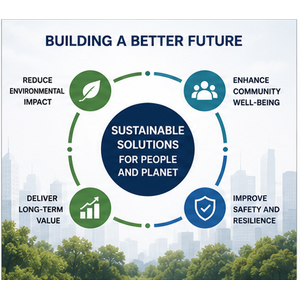
Figure 3. Sustainable infrastructure combines environmental responsibility, resilience, and social value.
Practical actions engineers can take
| Action | Design stage | Typical benefit | Result |
| Optimize member sizing | Concept / design | Reduces material demand | Lean structural solution |
| Use durable details | Design / construction | Limits deterioration | Longer service life |
| Apply SHM or inspections | Operation | Detects problems earlier | Better maintenance planning |
| Prefer retrofit where feasible | Asset renewal | Avoids unnecessary demolition | Lower life-cycle impact |
Looking ahead
The future of civil engineering will depend on structures that are not only safe at the moment of design, but also adaptable throughout their service life. Combining structural analysis, BIM, monitoring, durable materials, and responsible construction methods can help engineers deliver infrastructure that serves both people and the planet.
For research groups and engineering teams, the challenge is clear: transform sustainability from a general ambition into measurable design decisions that improve performance, reduce waste, and protect communities.